
Timeline
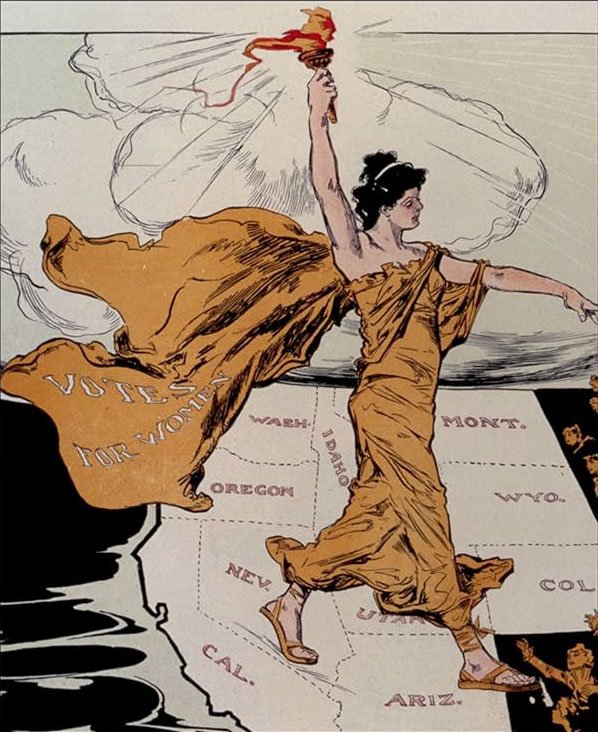
One State, One Step at a Time.
This timeline highlights suffrage events that often had nationwide implications. For specific state suffrage activity, check out our state map.
How did women Get the Vote?
Women worked for over 70 years to get the vote. Divisions over race, tactics, and strategy did not stop suffrage efforts. Women kept their eyes on the prize . . . suffrage.
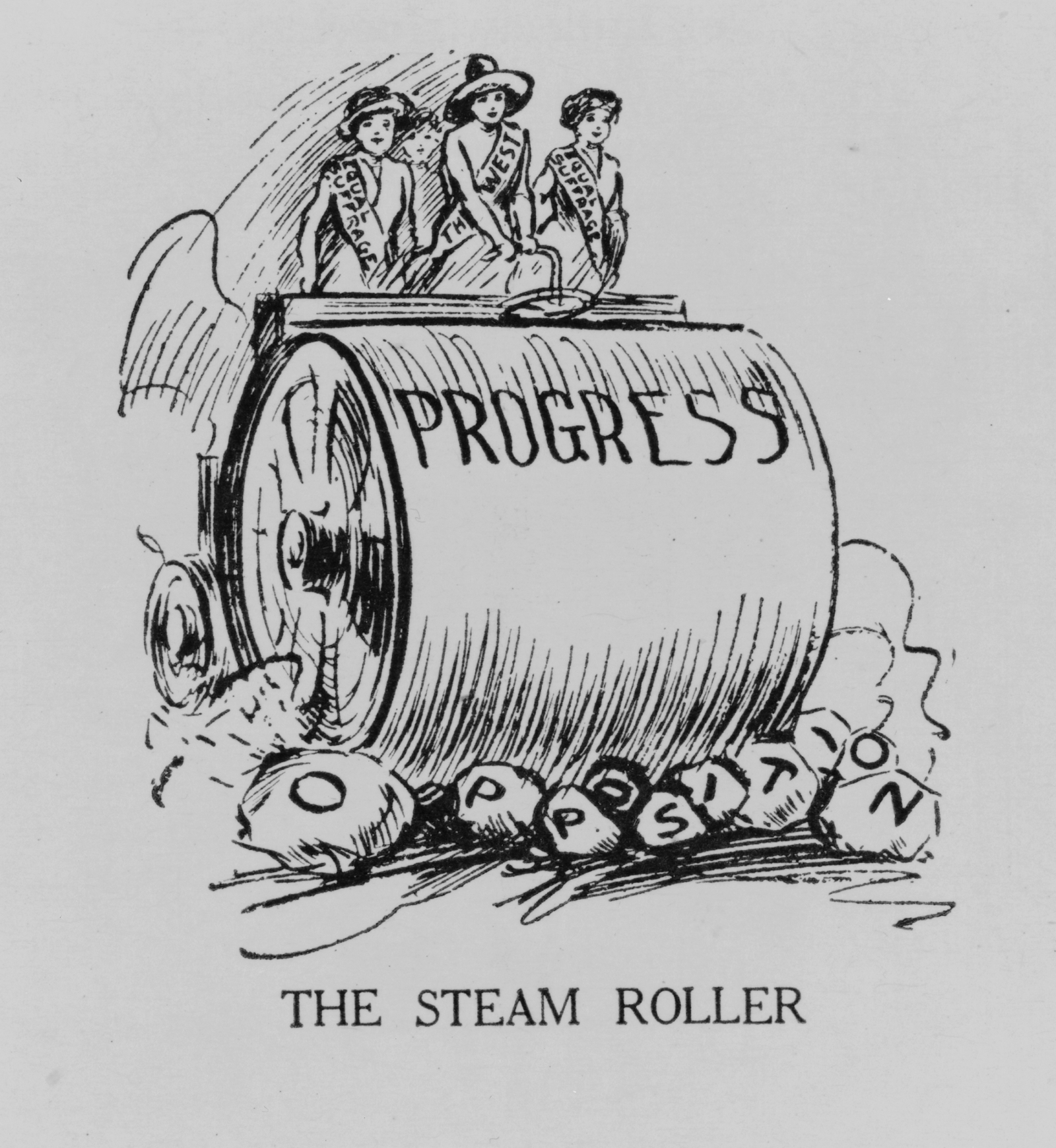

One State, One Step at a Time.
This timeline highlights suffrage events that often had nationwide implications. For specific state suffrage activity, check out our state map.
How did women Get the Vote?
Women worked for over 70 years to get the vote. Divisions over race, tactics, and strategy did not stop suffrage efforts. Women kept their eyes on the prize . . . suffrage.
The Path to Women’s Suffrage
1776
The newly-adopted New Jersey constitution allows who owns a specific amount of property to vote regardless of race or gender. Widows or unmarried women can vote (unlike married women who cannot own property). In 1807, New Jersey limits voting to “free, white, male citizens.”
1848
Three hundred people attend the Women’s Rights Convention in Seneca Falls, New York, where the Declaration of Sentiments is signed. The most controversial item in the Declaration is the call for women’s right to vote.
1868
After the Civil War’s end, the 14th Amendment is ratified, stating that anyone born in the United States is a citizen. The New England Woman Suffrage Association is formed with Julia Ward Howe as its president and Lucy Stone as a later president.
1869
The American Equal Rights Association (formed in 1866) splits over support of the 15th Amendment which gives Black men the right to vote. Elizabeth Cady Stanton and Susan B. Anthony form the National Woman Suffrage Association, and Lucy Stone founds the American Woman Suffrage Association. Hundreds of women across the country try to vote arguing that the 14th Amendment states that anyone born in the United States is a citizen (with attendant rights).
1870
The 15th Amendment is adopted which prohibits exclusion from voting based on “race, color, or previous condition of servitude.” Many former Confederate states pass voting restrictions including literacy and poll taxes to prevent Black men from voting.
1874
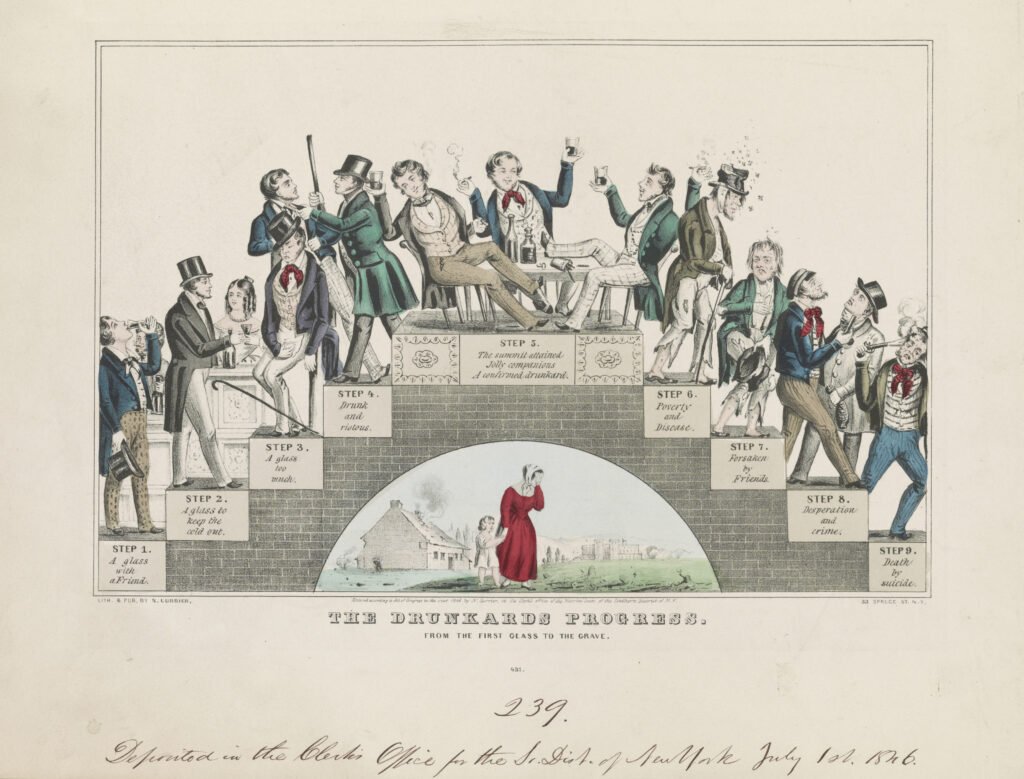
The Women’s Christian Temperance Union forms as the country’s rampant alcoholism problem leaves many wives and children destitute. Numerous suffragists become politically active through the Temperance movement, which formally endorses suffrage in 1881.
1875
The U.S. Supreme Court rules against Missourian Virginia Minor, stating that under the Constitution, American citizenship does not confer the right to vote—and recognizing states’ rights to exclude women from voting.
1878
Senator Aaron Sargent (R-CA) introduces the first suffrage bill in Congress which has been drafted by Susan B. Anthony. It is the text that becomes the 19th Amendment.
1880
Mary Ann Shadd Cary founds the Colored Women’s Franchise Association in Washington D.C. which focuses on suffrage, education, and labor issues for Black women.
1887
The U.S. Congress holds its first vote on (and defeats) the women’s suffrage bill.
The Dawes Act forces Native Americans who wish to become U.S. citizens to relinquish their tribal membership, lands, and culture. If they become citizens, they are deemed “wards” of the federal government and are not permitted to vote.
1890
The National Woman Suffrage Association and the American Woman Suffrage Association merge to create the National American Woman Suffrage Association (NAWSA).
1895
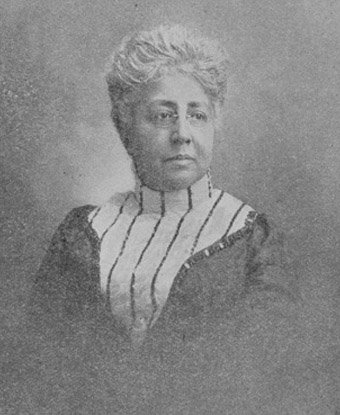
The Woman’s Era Club founded by Josephine St. Pierre Ruffin organizes the National Conference of the Colored Women of America. The National Association of Colored Women forms the following year, focusing on issues impacting Black women, including suffrage.
1903
The Women’s Trade Union League (WTUL) is founded. The WTUL recognizes suffrage as essential to improving working conditions. Several years later, Harriot Stanton Blatch (Elizabeth Cady Stanton’s daughter) establishes the Women’s Political Union, which attracts professional and working women to the suffrage movement.
1907
Congress passes the Expatriation Act, which strips women of their U.S. citizenship if they marry non-U.S. citizens. American men do not have a similar loss of citizenship if they marry non-American women. Congress does not reverse this law until 1940.
1908
Suffragists in New York City’s Union Square begin the nation’s first march for women’s voting rights.
1912
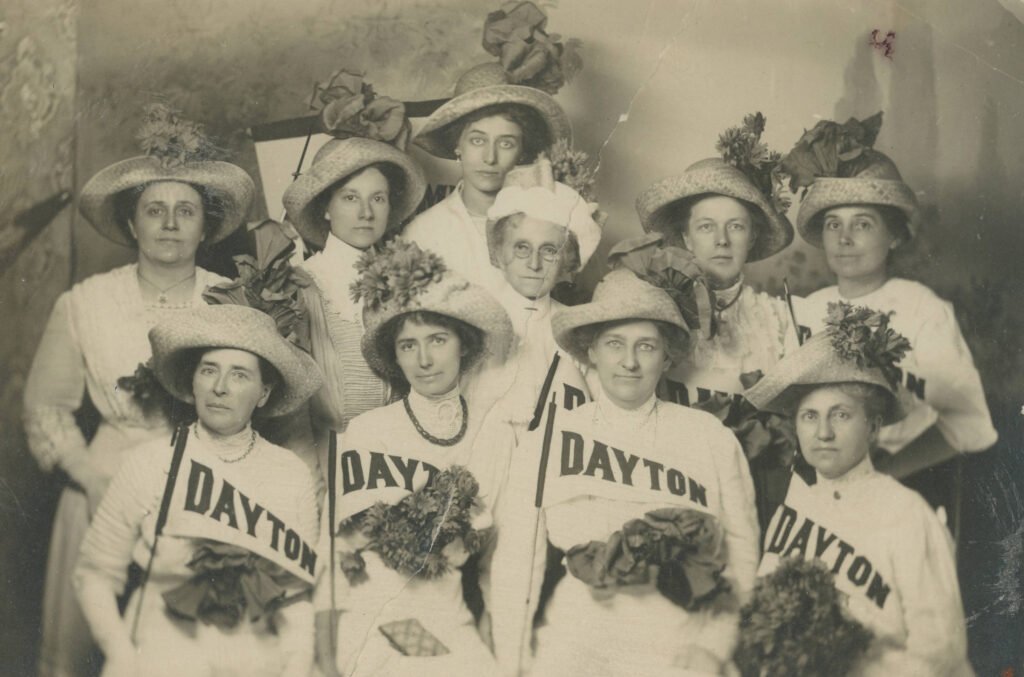
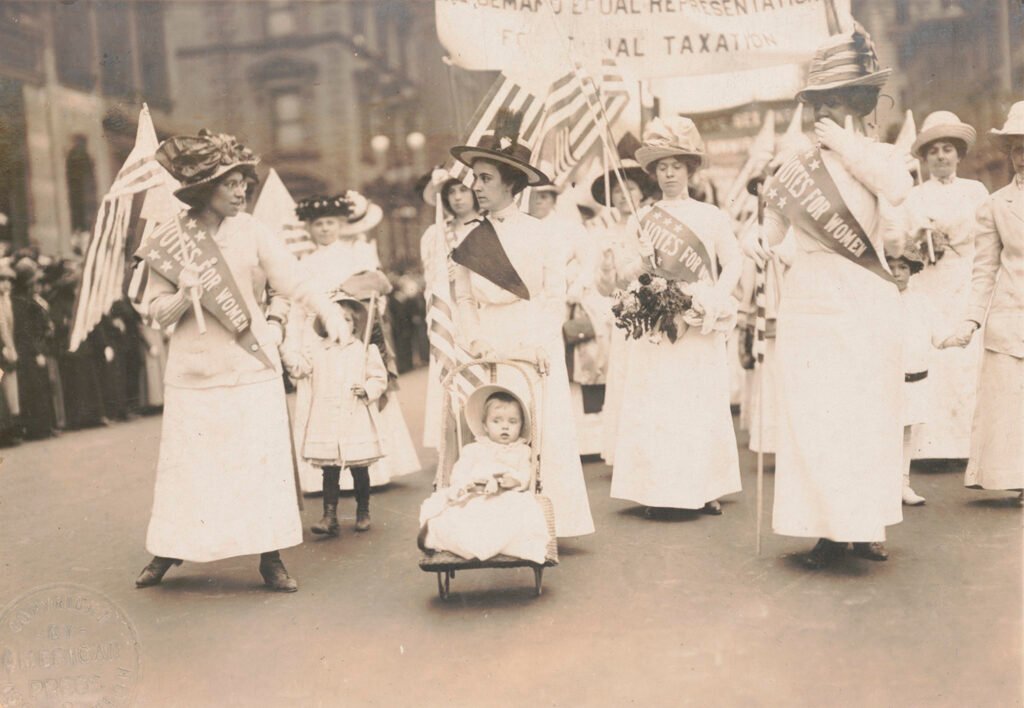
The 3rd annual New York City Suffrage Parade draws 20,000 marchers and half a million spectators.
1913
Alice Paul and Lucy Burns, co-heads of NAWSA’s Congressional Union, organize a Washington D.C. suffrage march, on the eve of President Woodrow Wilson’s first inauguration. Half a million spectators see mobs attack suffragists. Local police watch and make no arrests.
1914
The U.S. Senate votes on the “Susan B. Anthony” Amendment but fails to pass the bill.
1915
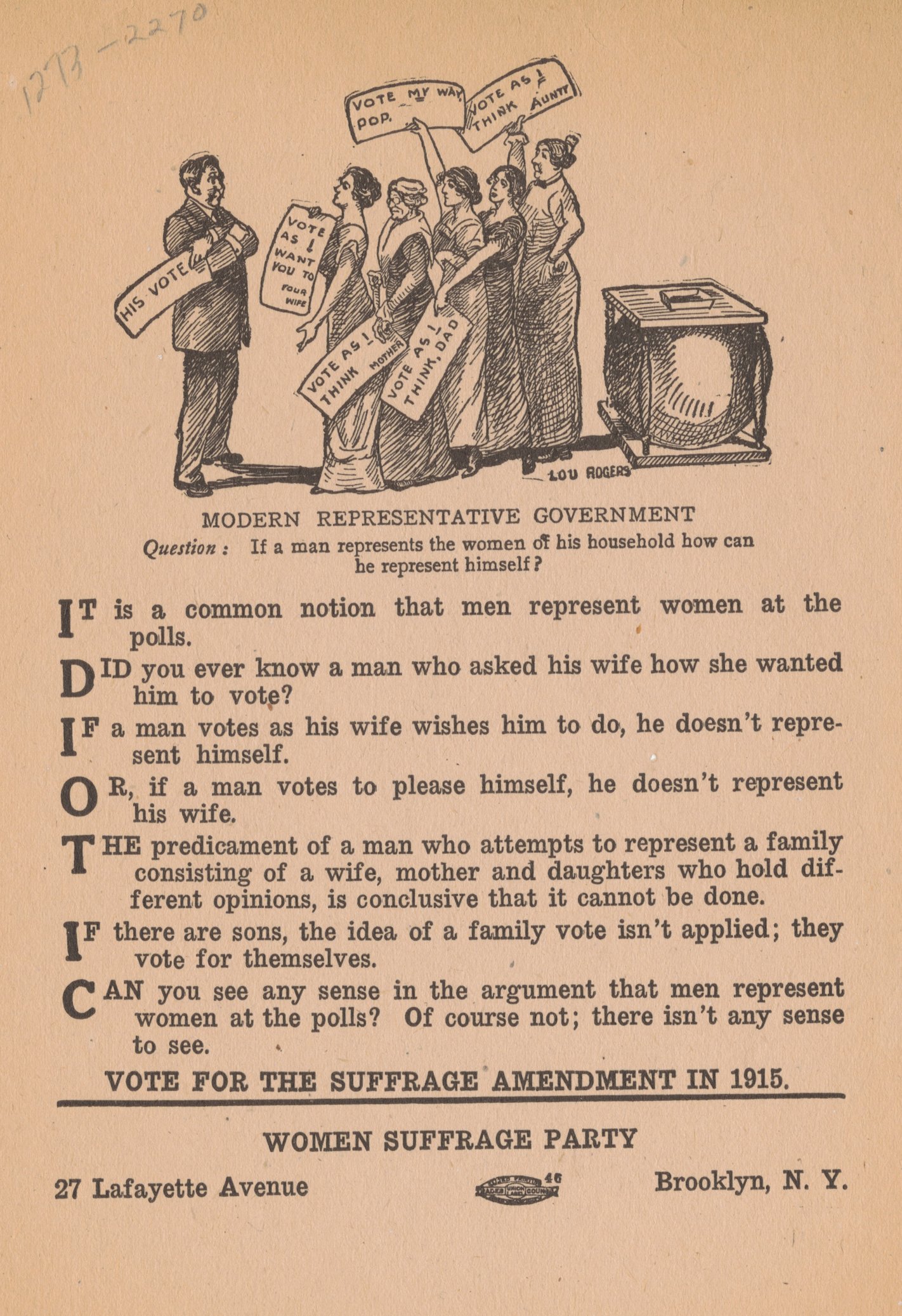
The U.S. House of Representatives holds a vote on the “Susan B. Anthony” Amendment and fails to pass the bill. Puck, a popular humor magazine that has been anti-suffrage, publishes an entire pro-suffrage edition.
1916
The Congressional Union, under Alice Paul’s leadership, breaks with NAWSA, and forms the National Woman’s Party (NWP).
Montanan Jeannette Rankin becomes the first woman elected to the U.S. House of Representatives.
1917
The Silent Sentinels, led by Alice Paul and Lucy Burns, protest outside the White House gates for the next two and a half years. Two thousand women ranging from 18 to 80 from across the country protest six days a week regardless of weather. They are arrested, jailed, and force-fed in local prisons and workhouses. Press attention is constant.
On her first day in office, Congresswoman Rankin introduces the bill that will become the 19th Amendment.
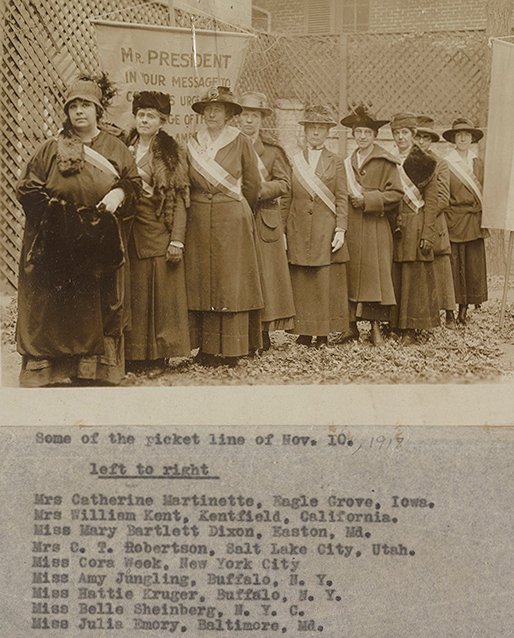
Courtesy of the Library of Congress.
1918
President Wilson gives a Congressional address supporting suffrage. The House passes the suffrage bill the following day.
Ten months later, the Senate fails to pass the bill by two votes.
1919
The NWP begins its Watchfire Program, where suffragists burn snippets of President Wilson’s pro-democracy speeches reported from World War I peace negotiations. The watchfires are held in Washington D.C. and Boston.
The NWP sponsors a three-week, cross-country “Prison Special” train tour for suffragists to share information about their imprisonment.
On May 21, the U.S. House passes the 19th Amendment.
On June 4, the U.S. Senate passes the 19th Amendment. The baton passes to state legislatures for ratification (⅔ of all state legislatures must pass for adoption).
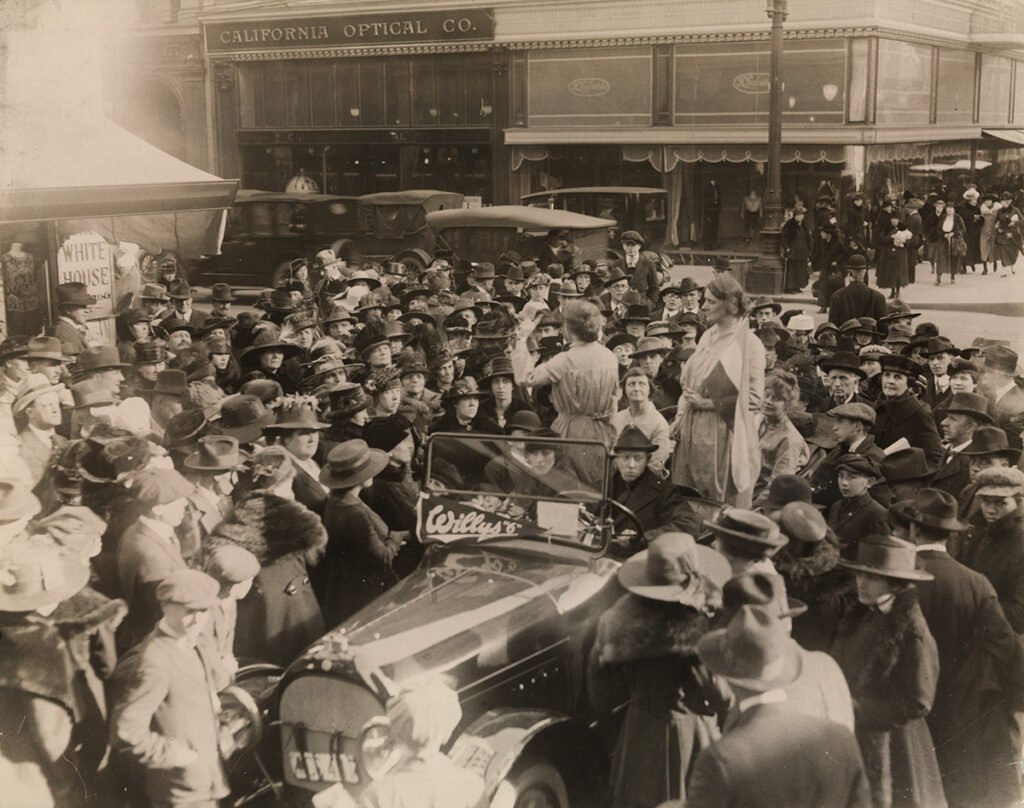
1920
Tennessee provides the essential, final 36th vote for the 19th Amendment to become law of the land.
1924
Congress passes the Indian Citizenship Act, which grants Native Americans U.S. citizenship, but many states still exclude Native Americans from voting.
1952
For the first time, all Asians can become U.S. citizens. (The Chinese Exclusion Act of 1882 had prohibited citizenship for Chinese-Americans, and they were first able to gain citizenship in 1942.
1964
The 24th Amendment bans poll taxes as a barrier to the right to vote.
1965
The Voting Rights Act becomes law and prohibits racial discrimination in voting.
1971
The 26th Amendment lowers the country’s voting age from 21 to 18.
1993
Enactment of the “Motor Voter Law” requires states to offer simplified voter registration to people when they apply for a driver’s license or public assistance.
2024
91.3 million women cast ballots compared to 82.6 million men in the U.S. Presidential election.